Skills fade. That is true of languages, musical instruments, and it is extremely true of first aid and CPR. I have tested people that aced their first aid course eighteen months earlier and after that iced up when faced with a straightforward choking circumstance. Not since they did not care, yet due to the fact that their memory had blurred around the information that matter.
Fast CPR and first aid refresher courses exist to connect that gap. They respect your time while rebuilding the muscular tissue memory you require when someone is not breathing, is hemorrhaging heavily, or has collapsed on the floor. Done well, an express first aid course or fast CPR correspondence course can be the distinction between vague recollection and positive action.
This is a sensible overview to remaining current without giving up a full day every year.
Why refreshers matter greater than you think
Most people undervalue just how rapidly skills decay. Study on resuscitation abilities shows that high‑quality CPR efficiency commonly goes down within 3 to 6 months of initial training. That matches what fitness instructors see in the area. The chest compression deepness gets shallower. Hands wind up in the wrong position. The sequence of steps gets muddled.
In an actual emergency, stress and anxiety tightens the screw. Your heart races, your great motor skills take a hit, and your brain wants a straightforward strategy: check action, call for help, start compressions, utilize a defibrillator if one is available. If you have not taken a first aid and CPR course in over a year, that plan might be fuzzy.
Refresher training does 3 things quite possibly:
It updates you on guideline changes, such as CPR compression rates, AED prompts, or first aid protocols for bleeding and shock. It reconstructs your physical technique, so your hands remember what your brain might forget. It recovers your self-confidence, which is commonly the first casualty when time passes after training.When individuals finish a fast first aid course or express CPR course, the most typical remark is not regarding passing a test. It is, "I seem like I might actually do this now."
What "fast" truly indicates in first aid and CPR training
The word "fast" frets some individuals. They imagine a rushed slideshow, a couple of half‑hearted compressions, and a printed first aid certificate that implies really little.
A properly created fast first aid course or express CPR training session is not a shortcut in top quality, it is a refinement in focus. The instructor presumes you have seen the content before. Rather than developing everything from scratch, the teacher pulls you directly right into the core abilities and essential updates.
Typical techniques for fast first aid courses and fast cpr courses include:
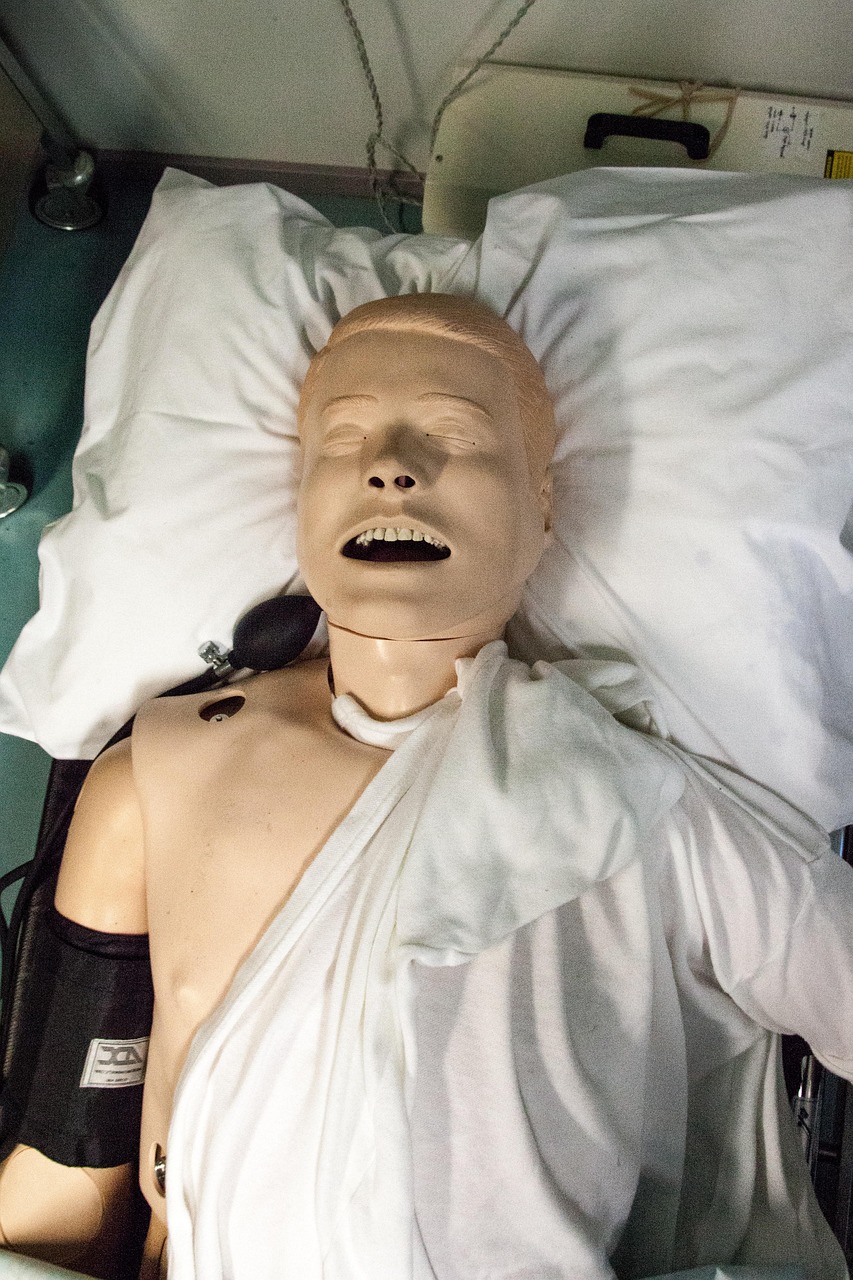
- Shorter sessions that focus on necessary abilities, commonly 2 to 4 hours rather than a full day. Pre course online modules that refresh concept, leaving the class time for situations and hands‑on practice. A targeted educational program that skips low‑yield subjects and stresses life‑threatening conditions.
If your original first aid training was detailed and you keep your refresher timetable tight, fast certification is not just secure, it is often more effective due to the fact that it mirrors just how real emergency situations feel: brief, extreme, focused.
Core abilities you ought to constantly refresh
Whether you enrol in fast first aid training, an express first aid course, or a blended first aid and cpr course, a solid refresher needs to review an acquainted set of crucial skills. The tags might vary in between providers, yet the building blocks are the same.
CPR for adults, children, and infants
CPR is the skill people are afraid most and bear in mind the very least accurately. Throughout refresher courses, it prevails to see compressions that are as well slow-moving, also light, or as well hesitant. A robust cpr training refresher will:
- Re establish your sense of the right price and deepness making use of timed method and feedback tools when available. Correct hand positioning and body auto mechanics so you use your body weight as opposed to arm strength. Walk with differences for adults, kids, and infants without frustrating you with detail.
AED usage sets normally with CPR in modern-day first aid courses. In method, that implies obtaining comfortable with opening up the situation, sticking the pads in the right area, and following the prompts without second‑guessing the machine.
Managing breathing issues and choking
Choking events prevail in work environments, restaurants, and childcare settings. I have actually seen very skilled team freeze over something as easy as whether to repay strikes very first or stomach drives, and what to do if the person becomes unresponsive.
A fast first aid course must rehearse:
- Recognition of partial versus full airway obstruction. Safe, forceful back strikes and stomach drives for adults and older children. Adapted strategies for babies, including upper body drives instead of stomach thrusts. The handover from choking method to CPR if the individual collapses.
Asthma attacks and severe allergic reactions likewise drop under breathing emergency situations. Express first aid training normally revisits inhaler help, use of spacers, and epinephrine auto‑injectors, as well as the indications that breathing is deteriorating.
Bleeding, shock, and distressing injuries
You can lose a frightening amount of blood in mins. An excellent quality first aid training refresher spends much less time on odd injuries and even more on the fundamentals succeeded:
Direct stress. Altitude where ideal. Proper placement of plasters. Early acknowledgment of shock, specifically when the individual looks "great" yet is light, clammy, and anxious.
Some courses also cover tourniquets and haemostatic dressings, especially in high‑risk industries. For many offices, the concern is getting every person comfortable with strong, continual pressure and calm reassurance.
Medical problems you are most likely to see
The value of first aid and cpr training classes increases when they fit the atmosphere. For a workplace, that normally indicates cardiac events, fainting, diabetic person problems, and occasional allergic reactions. For a commercial site, crush injuries and burns are more appropriate. For child care, taking a breath issues, fevers, and minor head injuries dominate.
A great fast first aid course will certainly touch on the conditions that match your context, without sinking you in pathology. You do not need to detect; you need to identify danger and act.

Fast, express, and blended courses: understanding the options
The training market can look like hodgepodge: fast cpr, express first aid courses, mixed first aid and cpr courses, fap first aid, refresher degree this and that. Beneath the tags, you usually see a few clear formats.
Express first aid courses compress the class time. You might complete 1 to 2 hours of pre‑learning online, then participate in a brief, intensive in‑person session focused on practice and assessment.
Fast CPR courses can be even much shorter, particularly if they just refresh CPR and AED skills and overlook various other first aid subjects. A stand‑alone fast cpr refresher course commonly runs 1 to 2 hours and is suitable for workplaces that currently run wider first aid courses separately.
Blended first aid and CPR courses mix on the internet concept with practical workshops. These work when you need complete renewal of your first aid certificate yet do not want to invest a whole day in the class. You complete the knowledge modules at your own speed, after that go to a much shorter sensible session for assessment.

Express childcare first aid training is normally tailored to early years setups and schools. An express child care first aid course or collection of express child care first aid courses will certainly still meet regulatory content requirements, yet will certainly concentrate greatly on paediatric situations. Expect more time on infant and child CPR, choking, fevers, seizures, and play area injuries.
The specific naming differs by company and region. What matters is whether the course is recognised by your regulatory authority or market body and whether the material matches your threat profile.
How typically needs to you refresh?
Many individuals wait on their first aid certificate to end before scheduling anything. That is not suitable. The majority of certifications last from one to three years depending on neighborhood policies and the level of training. Skill degeneration does not regard that timetable.
In technique, the adhering to rhythm functions well in the majority of setups:
- CPR and AED: freshen every one year through fast CPR courses or brief express cpr training. General first aid: revitalize at the very least every 3 years, with short refresher courses or tool kit talks in between. High threat or high duty functions (childcare, remote work, safety and security): think about yearly express first aid training, also if the formal certificate lasts longer.
If in doubt, think of somebody near you collapses tomorrow. How current would certainly you desire your very own cpr training to be?
Choosing the best service provider and format
The phrase "fast first aid course near me" will certainly offer you a lot of choices, however not all are equal. A slick web site does not ensure strong training. There are several things I examine when bookkeeping providers for organisations.
Accreditation and acknowledgment come first. Make sure the supplier's first aid and cpr courses satisfy the standard called for by your regulatory authority, insurance company, or professional body. For child care service providers, inspect that any express childcare first aid course fulfills the details paediatric needs, not simply generic first aid.
Trainer experience makes a large distinction in fast styles. With less time, you need trainers who can coach swiftly, area mistakes early, and give clear, specific feedback. Ask whether the trainers have actually real‑world clinical or emergency situation experience, such as ambulance job, nursing, or extensive area first aid.
Class size matters a lot more in express first aid training. In a two‑hour session, a group of twenty will certainly not obtain much individual practice. For fast certification that includes CPR skills, I like teams of twelve or fewer per instructor.
You additionally want to know exactly how the concept component is dealt with. If most understanding is on the internet, check that it is interactive instead of simply a downloadable PDF. An excellent combined course will certainly consist of situation inquiries, short videos, and straightforward understanding checks, so the classroom time can concentrate on doing as opposed to listening.
Finally, examine what you remove. You must entrust an identified certificate, naturally, but additionally with access to refresher materials such as fast referral guides, videos, or budget cards. The best first aid courses reinforce learning long after you go out the door.
What a fast refresher session actually feels like
People usually ask if a fast first aid course will really feel hurried. It needs to really feel focused instead of frenzied. Allow me define a normal fast cpr correspondence course for workplace staff.
You get here to discover the manikins currently set up, AED trainers on the table, and a short sign‑in process. As opposed to a long talk, the instructor opens up with a quick "what do you bear in mind" exercise to surface existing expertise. Within 15 mins, you are on the flooring exercising compressions.
Over the next hour, the trainer revolves you with terminals: grown-up CPR, youngster CPR, AED operation, and choking experiment feedback manikins if offered. Short demos stress the practice, but the emphasis remains on your hands, not the teacher's voice.
There is time for questions and a short debrief regarding neighborhood emergency situation procedures, such as where the AEDs remain in your structure. Assessment is usually continual as opposed to a formal examination. The fitness instructor watches your strategy and offers you modifications till it meets the standard.
By completion, your muscle mass are tired, which is exactly the factor. You have felt what 2 mins of high‑quality compressions actually needs. You have heard the AED prompts sufficient times that they will certainly not amaze you.
An express first aid course that covers more area adheres to a comparable pattern, simply adding short stations on bandaging, recuperation setting, and clinical problems. The pace is vigorous, however you are never ever resting still for long.
Balancing rate and depth in childcare settings
Childcare adds a layer of emotional pressure. When it is your work to maintain children risk-free, the idea of cutting corners in training feels incorrect. The challenge is that nurseries, preschools, and after‑school clubs often work on tight staffing and restricted cover. Pulling team out for full‑day courses each year is not constantly practical.
Express childcare first aid training, when created correctly, respects both sides of that equation. An express childcare first aid course still needs to cover the full range of paediatric emergency situations required by your regulatory authority. That generally consists of baby and child CPR, choking, anaphylaxis, bronchial asthma, seizures, severe bleeding, head injuries, and risk-free tracking of unwell children.
The "express" part usually comes from 2 levers. First, concept such as acknowledgment of usual childhood health problems can be relocated online, with staff finishing modules on a phone or tablet computer. Second, the sensible day can be tightened up by utilizing realistic however concise circumstances instead of expanded lectures.
Express child care first aid courses work best when the setting strengthens them with brief refresher courses throughout the year. Short drills, 10‑minute discussions at staff meetings, or micro‑scenarios during quieter periods maintain the expertise energetic. I frequently advise managers that first aid training is not a one‑off event; it becomes part of the culture.
Getting one of the most from a fast course
Fast training rewards prep work. If you are going to spend a couple of hours right into an express cpr course or fast first aid course, it pays to show up prepared. A simple routine jobs well.
- Complete any type of pre‑course products appropriately as opposed to clicking via. It will conserve time and allow you ask better questions. Think regarding genuine incidents you have seen or bothered with: a colleague with a heart condition, a youngster with severe allergies, somebody that collapsed at the office. Bring those to the session. Wear comfy clothing you can stoop in. You will certainly do far better compressions and bear in mind even more if you are not distracted by tight garments or unpleasant shoes. After the course, educate something you discovered to somebody else. Clarifying anchors memory, even if it is only a two‑minute conversation.
Those four tiny steps can turn a routine refresher into something that really alters exactly how you act in an emergency.
Online just vs in‑person: where fast fails
Every so usually, somebody asks whether an one hundred percent online fast first aid course is "sufficient." From a regulatory or insurance standpoint, the response is typically no. From an abilities standpoint, the solution is usually no.
You merely can not discover the feel of proper CPR deepness, or the flair of rolling a person into the recuperation position, by clicking with slides. On-line elements in first aid and cpr training classes function wonderfully for knowledge: understanding indicators of stroke, allergic reaction signs, or the difference between warmth exhaustion and heatstroke. For physical abilities, you need an instructor and a manikin.
Express cpr courses and fast first aid training should usually include an in‑person useful component, even if it is short. If you see a supplier offering fast first aid courses without face‑to‑face contact in any way, beware. The time you conserve could be at the expense of the only component that matters when someone collapses at your feet.
Keeping abilities to life in between courses
No matter how excellent the express first aid courses are, you can not count on a single ruptured of training every year or three to maintain you sharp. Fortunately, maintaining your abilities in between formal sessions does not need massive effort.
First, revisit your course notes or electronic resources every couple of months. Five mins below and there is enough. Second, emotionally rehearse scenarios. Photo someone at your office or home collapsing, and go through what you would certainly do detailed: check reaction, telephone call for aid, start CPR, send for the AED.
Third, take notice of the positioning of first aid sets and AEDs in places you check out typically. Grocery stores, gyms, train stations, schools. The more mindful you are of the resources around you, the less time you will lose in actual events.
Many organisations likewise run short refresher courses or tool kit talks that can work as mini express first aid training sessions. first aid courses in Brisbane These do not change complete courses, yet they maintain people engaged and confident.
When fast is not the right choice
There are situations where a fast first aid or fast cpr layout is not ideal. If you have actually never ever educated previously, you need a complete, organized first aid and cpr course, not simply a fast overview. The fast options assume you show up with a foundation.
If your role has considerable obligation for others, such as designated initial aider in a huge site or lead childcare specialist, a much more thorough first aid course might be suitable the first time around, adhered to by fast first aid courses as refreshers.
Finally, if you really feel extremely distressed about emergencies or have had a bad experience where you felt defenseless, a longer format can offer you even more time to process, ask inquiries, and practice till you are comfortable. Speed is practical, yet not if it leaves your worries unaddressed.
The genuine measure of success
Certificates end. Laws change. Course names change. The core inquiry stays easy: if somebody collapsed beside you this evening, would certainly you relocate, or would certainly you freeze?
Fast CPR and first aid refresher courses exist to make sure that even more people can respond to that inquiry with silent, grounded self-confidence. They appreciate busy timetables without thinning down the essentials. They make use of method as opposed to talks, circumstances rather than theory dumps.
Whether you pick express cpr courses for annual refreshers, a mixed first aid and cpr course every few years, or routine express child care first aid training for your team, the purpose coincides. Keep the understanding to life. Keep the abilities sharp. When the worst happens, you will certainly not be thinking of the style or the company. You will certainly be considering the individual in front onsite first aid instructor of you, and your hands will know what to do.